
- Inicio
- En recuerdo de nuestros compañeros
- Tributo a Massimo Tommasino
Tribute to Massimo Tommasino
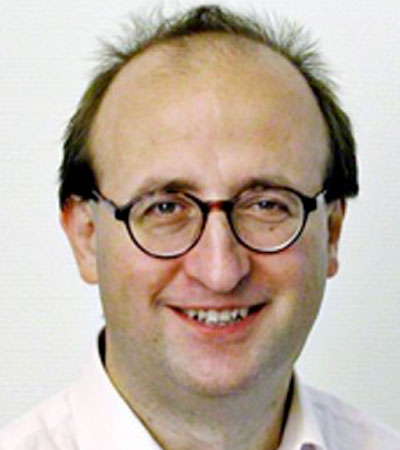
MASSIMO TOMMASINO
1958-2022
| Massimo Tommasino was born in Taranto, Italy, and graduated in pharmacy from the University of Bari. He worked from 1986 to 1991 as a permanent researcher, at Sclavo Research Centre, in Siena (Italy). Then from 1991 to 1995, he worked as a fixed-term researcher, for the Imperial Cancer Research Fund, in the "Tumour Virus Group" in Cambridge (United Kingdom) and, from 1995 to 2002 at the German Cancer Research Centre in Heidelberg (Germany), under the direction of the Nobel laureate Professor Harald zur Hausen, as a group leader. Afterwards, he moved to the International Agency for Cancer Research (IARC) in Lyon (France) where he worked closely with Professor Silvia Francheschi. He became head of the Infection and Cancer Biology Group (2012-2020) and then head of the Early Detection, Prevention and Infections Division (2020-2021) until his retirement at the end of 2021. After leaving the IARC, he became the scientific director of the Istituto di Ricovero e Cura a Carattere Scientifico - Istituto Tumori 'Giovanni Paolo II' (IRCCS) in Bari (Italy). Massimo Tommasino made an enormous contribution to the knowledge of the role of human papillomaviruses (HPV) in carcinogenesis. His research used both in vitro and in vivo experimental models and focused on characterising the transforming properties of established high-risk HPV types and other even novel HPV types using complementary approaches. By performing functional studies he characterized the biological properties of specific infectious agents with experimental models and by running epidemiological studies in numerous collaborations he was able to assess the role of infections in cancer development in humans. One particular focus was on cutaneous HPV and their ability to alter the regulation of cellular pathways involved in cell proliferation and immune response, key events in viral carcinogenesis. These studies have led to the discovery of new models of infection-associated cancer development, in which viral proteins act at an early stage of cellular transformation in collaboration with environmental agents, but become redundant after full cancer development. Because of the epidemiological studies he also developed new diagnostic assays for a large number of infectious agents. His studies included environmental factors, such as ultraviolet radiation, as risk factors in cancer development and progression. Together, his contributions led to major advances in understanding the biology of cancers associated with papillomaviruses and other infectious agents. Dr. Tommasino was an enthusiastic and dedicated scientist making him a pillar of the community, an outstanding colleague and a fantastic friend with a deep love for science and for life. Massimo was a wonderful person to meet, always generous, caring, and kind. His contributions to the research community, his human closeness and his talent for entertaining will be sorely missed. Dr. Tommasino is survived by his wife Maddalena and his children Carlo and Benedetta. The International Papillomavirus Community extends its deepest and most sincere condolences to the family and friends of Massimo Tommasino. Download pdf Written by Prof. Dr. Thomas Iftner Director, Institute Medical Virology and Epidemiology of Viral Diseases, Universitätsklinikum Tübingen, Tübingen, Germany. |
You must be logged in to leave a message.
No hay mensajes